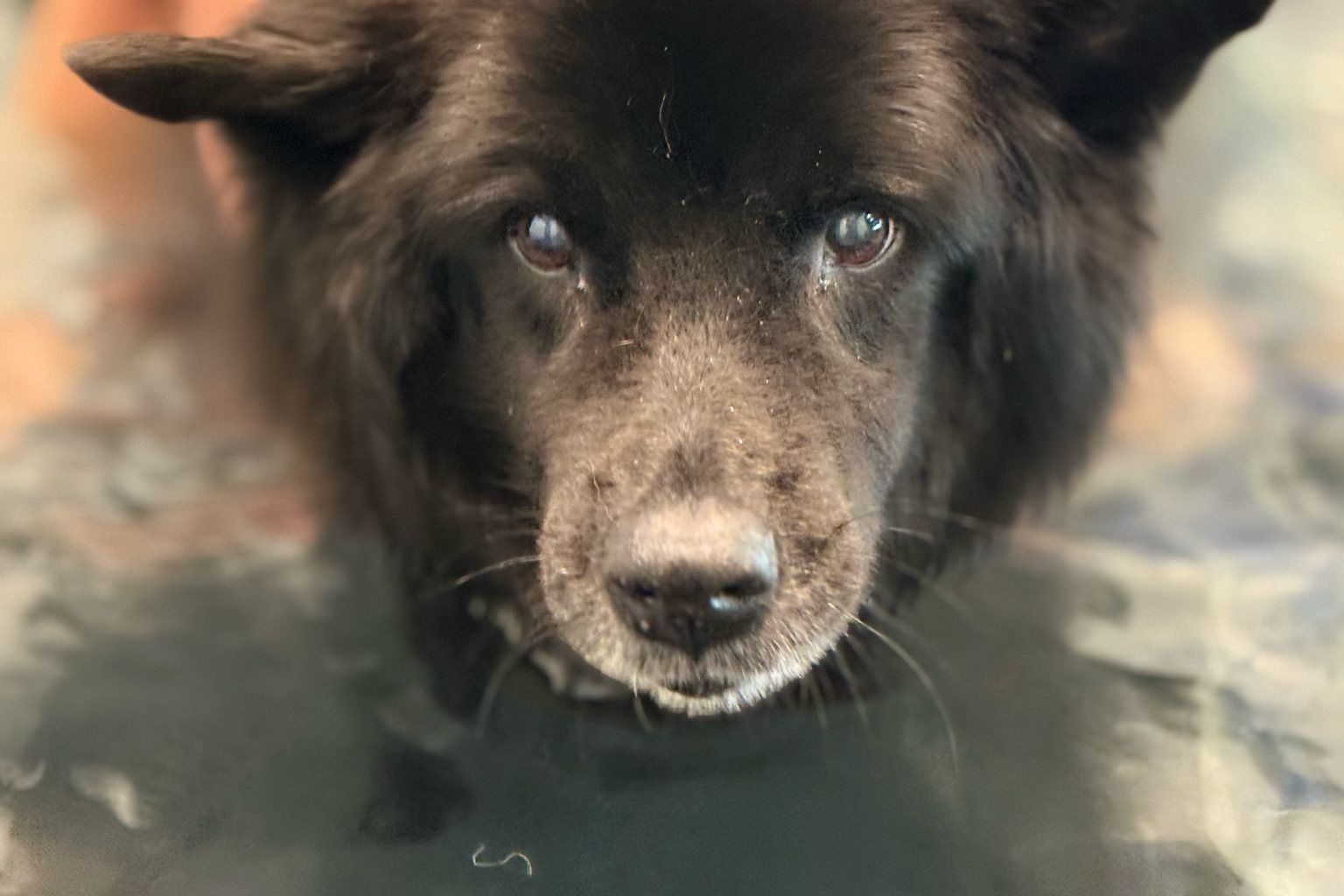
The prescription is the easy part. What decides how well an arthritic dog does over the next five years is everything around it: the weight on the joints, the muscle guarding them, and the home they move through every day.

Quick summary
- Arthritis is managed, not cured; medication alone is a plan that slowly loses ground
- Weight is the single biggest lever: leaner dogs need less medication and stay mobile longer
- Muscle protects joints, and it only comes from the right kind of regular movement
- Small home changes (traction, ramps, shorter frequent walks) cut the daily flare-up triggers
- Hydrotherapy, laser and massage add pain relief and strength without adding drugs
Arthritis Is Managed, Not Cured
There's no treatment that regrows worn cartilage, so the goal of arthritis care is different from most conditions: keep the dog comfortable, mobile and muscled for as many years as possible. Anti-inflammatories do the first part well. They're often the right foundation, and nothing in this article argues against them. The problem is when they're the whole plan.
A dog on medication alone keeps losing muscle, keeps carrying the same load on the same joints, and needs a bigger dose for the same comfort each year. A dog whose plan also works on weight, strength and daily movement tends to travel the opposite direction. Canine Arthritis Management, the UK veterinary initiative, estimates the disease affects around four in five dogs over eight, which means most owners of older dogs are making this exact choice whether they realise it or not.
The Levers That Move the Needle
Six things consistently change how an arthritic dog does long-term. None of them is exotic, and only one costs nothing at all.
The free one is the movement routine. Twenty minutes twice a day, every day, at your dog's pace does more for a stiff dog than a two-hour weekend outing that leaves it sore until Wednesday.
Building a plan for an arthritic dog?
Tell us your dog's age, weight and what the vet has said. We'll suggest where to start, no strings.The Singapore Home, Adjusted
Local flats are hard on arthritic joints in ways owners rarely clock. Tile and marble give no purchase, so every stand-up from a nap is a small controlled skid. The heat pushes walks to dawn and dusk, which is right, but it also tempts owners into skipping days entirely, and stiffness feeds on rest. Air-conditioned rooms keep dogs comfortable while they sleep and stiffer when they wake.
The adjustments are cheap and boring, which is why they work: rubber-backed runners along the routes your dog actually walks, a ramp or step where it gets on the sofa or bed, nails kept short and paw fur trimmed for grip, and walks split shorter but held daily, in the cooler hours. A warm spot to sleep, out of the aircon's direct path, earns its keep on the morning stand-up. Our arthritis guide and senior mobility page go deeper on what to watch as things progress.
Where the Therapies Fit
Rehabilitation isn't an alternative to your vet's plan; it's the part of the plan that medication can't do. Strength has to be built, and it has to be built without flaring the joints being protected. That's the whole case for the underwater treadmill: warm water carries most of the body weight, so an arthritic dog can walk long enough to build real muscle with a fraction of the joint load.
Laser therapy earns its place during flare-ups, calming inflammation in a specific joint without adding another drug to a senior dog's daily list, and massage works on the compensating muscles, the shoulders and back that tighten up from years of shifting load off sore hips. At AURA these run as part of a pain management programme from $90 a session, shaped by an assessment first.
A Plan Beats a Pill
If your dog was diagnosed this year, the next twelve months matter more than any other stretch: weight lost now, muscle kept now, and habits set now compound for the rest of its life. Start with your vet's medication plan, then add the levers above one at a time, beginning with weight. The dogs that do best at ten are almost never the ones with the strongest painkillers. They're the ones whose owners treated the diagnosis as a project instead of a prescription.
Dog Arthritis Management FAQs
Can arthritis in dogs be cured?
No. Worn cartilage doesn't grow back, so arthritis is managed rather than cured. That's less bleak than it sounds: with weight control, muscle work, home adjustments and the right medication plan, many arthritic dogs stay comfortable and active for years after diagnosis.
What helps dog arthritis besides medication?
The big four are weight loss, muscle strengthening, a consistent daily movement routine and a home with traction (rugs, ramps, short nails). Therapies like hydrotherapy, laser and massage add pain relief and strength on top. Together these often reduce how much medication a dog needs.
Should an arthritic dog still exercise?
Yes, and stopping is one of the most damaging mistakes. Rest wastes the muscle that protects the joints. The right pattern is moderate and daily: shorter walks at the dog's pace, ideally in Singapore's cooler hours, rather than long weekend outings followed by days of stiffness.
Does hydrotherapy help dogs with arthritis?
It's one of the best-suited therapies for arthritis, because warm water supports most of the dog's weight while it walks. That means real muscle-building exercise with a fraction of the joint load. Most arthritic dogs also simply move more freely in warm water than they have in months.
Is my dog too old to start rehab for arthritis?
Age alone rules nothing out; we regularly start dogs in their teens. The programme just gets gentler: shorter sessions, more rest, goals built around comfort and daily function rather than athleticism. An assessment first establishes what's safe and worthwhile for your particular dog.
Sources and further reading
The guidance in this article draws on these veterinary sources.
- Canine Arthritis Management (UK), caninearthritis.co.uk, on prevalence and the multimodal management approach.
- American College of Veterinary Surgeons, Osteoarthritis in Dogs, on treatment options and weight management.
- American Animal Hospital Association, 2022 AAHA Pain Management Guidelines, on combining drug and non-drug pain care.
This article is for educational purposes only. Always consult your veterinarian before starting any new treatment or therapy for your animal companion.
Anything you'd like to ask or share?
No pressure at all. Pick whatever fits, and you can stay anonymous or leave your details if you'd like us to reply.
What would you like to know?
How would you like to hear back?
Tell us your animal's story
How would you like to share it?
What should we write about?
How would you like to hear back?
Tell us about your animal
Your contact details
Share this article
Leave a Reply